Encoding Cultural Soundscapes into Traceable Ceramic Fossils
Echoes of the Anthropocene
CMMR2025 The 17th International Symposium on Computer Music Multidisciplinary Research
Collaborate with
V&A museum
YAMAHA
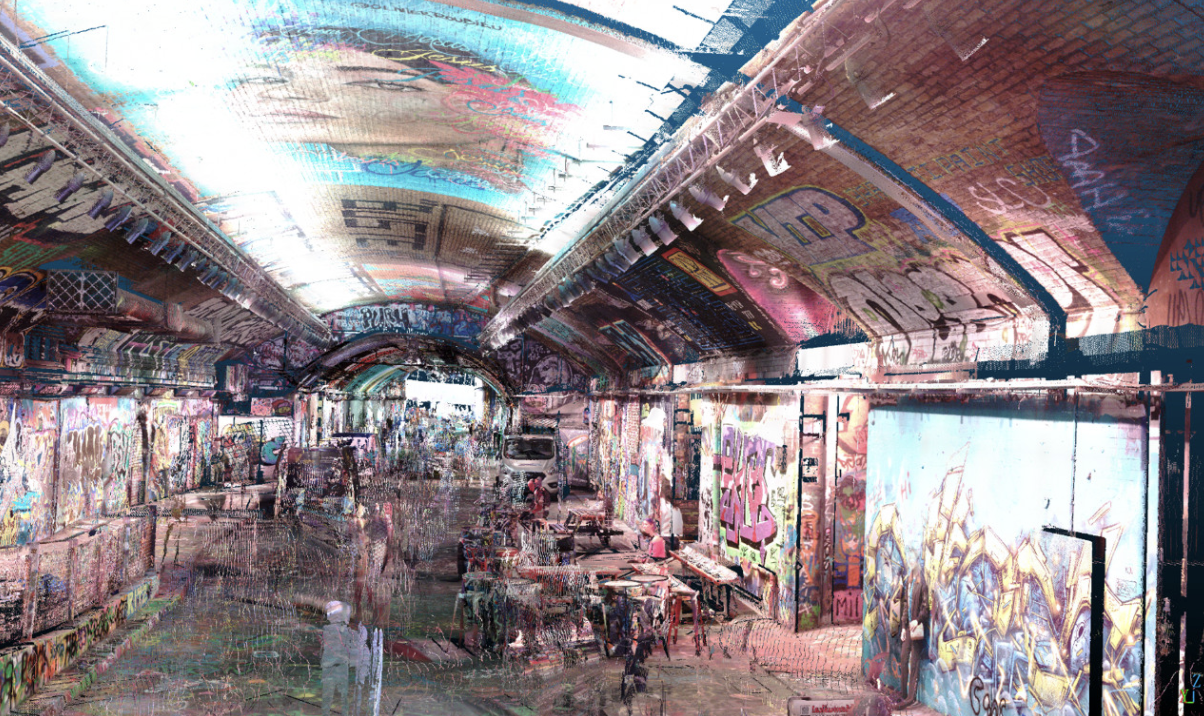
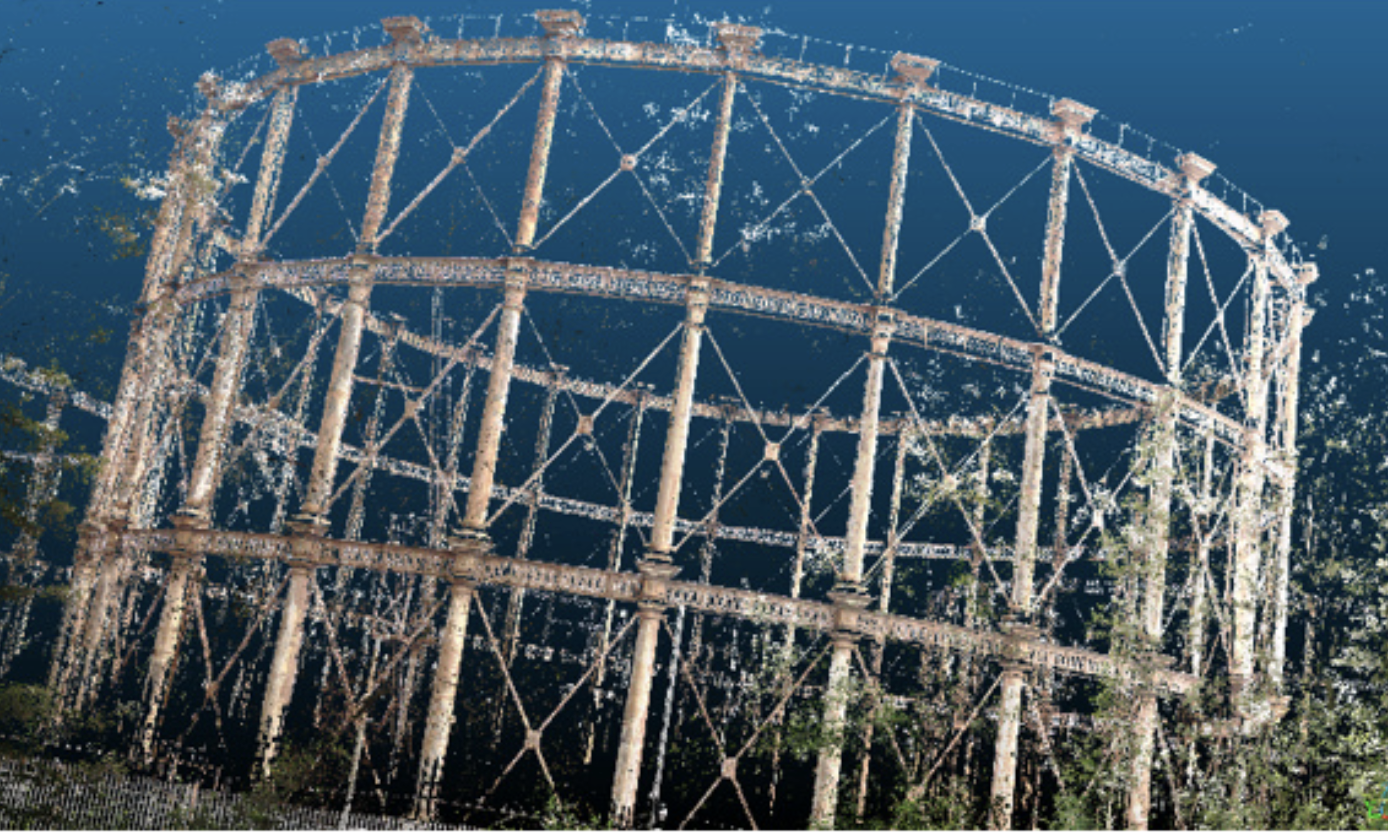
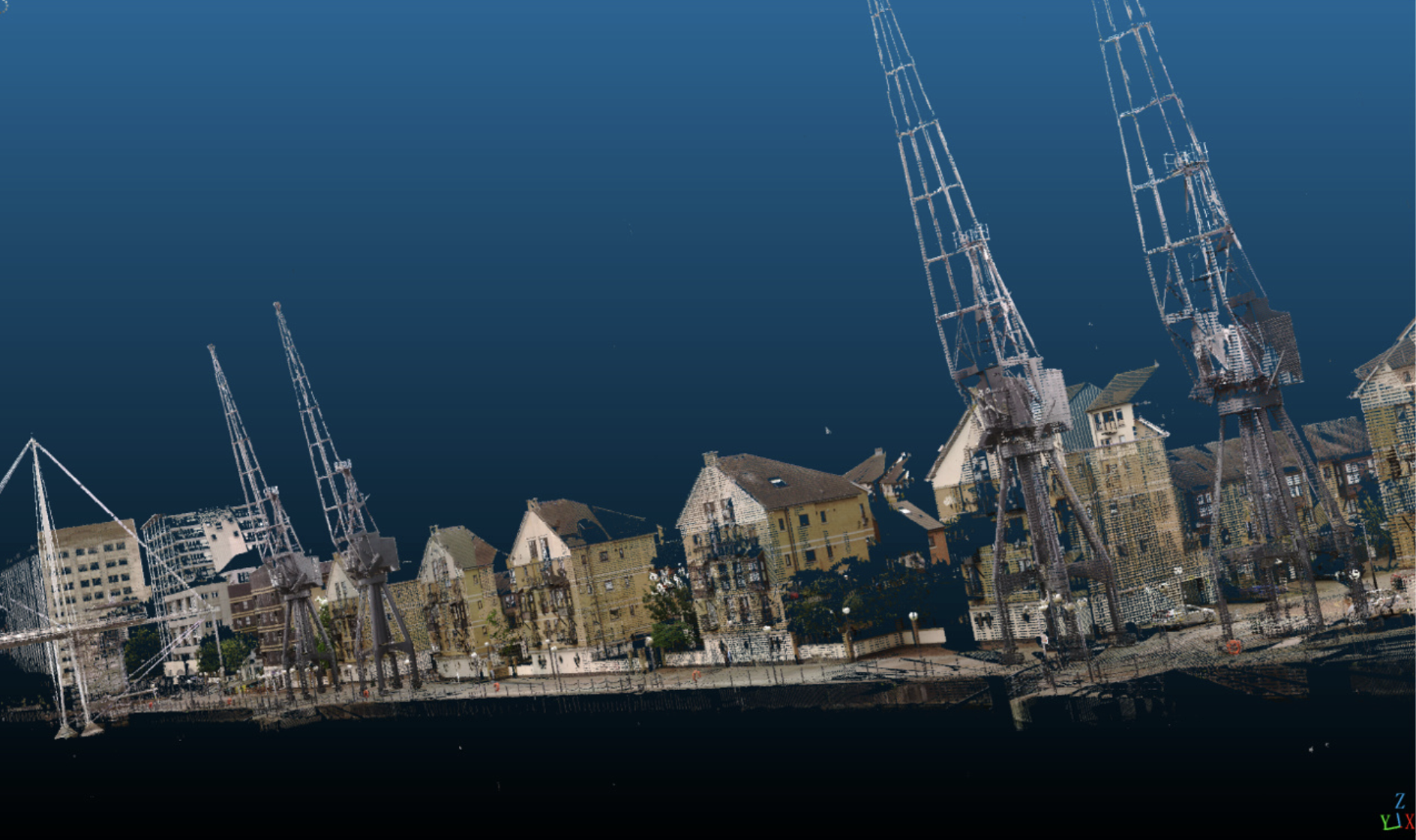
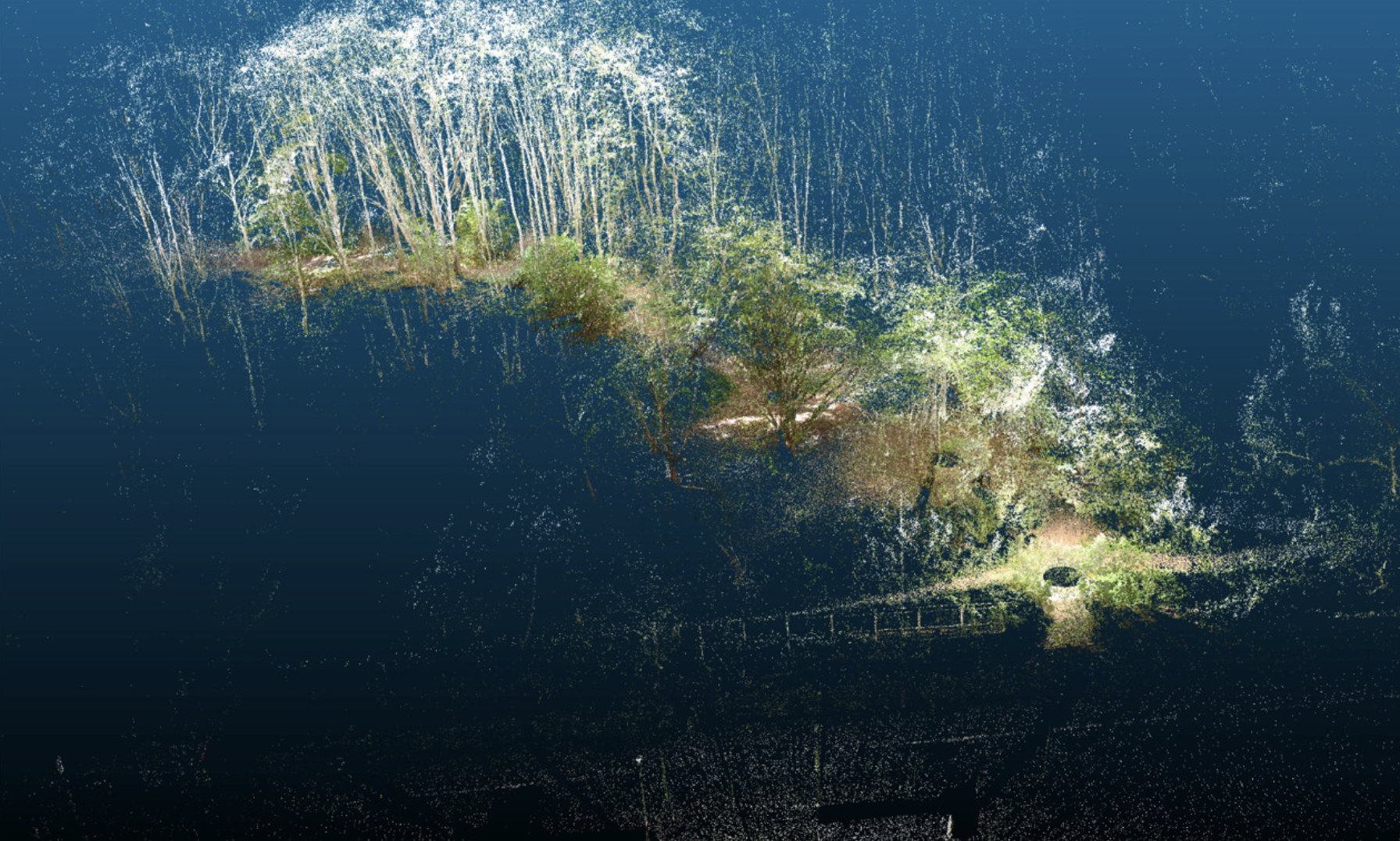
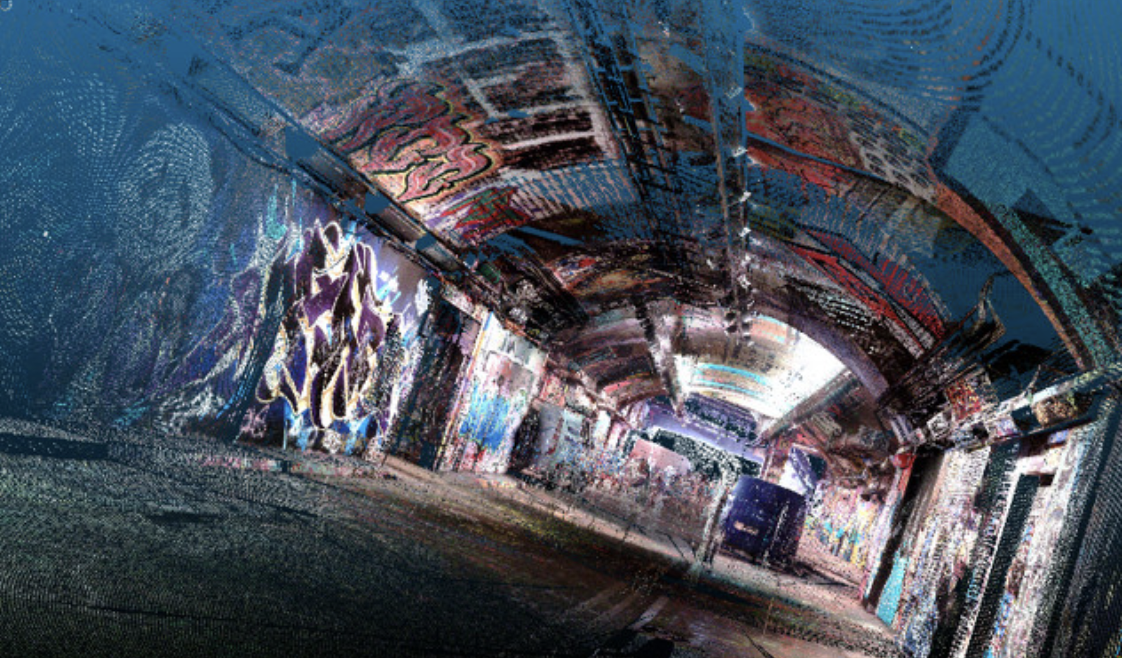
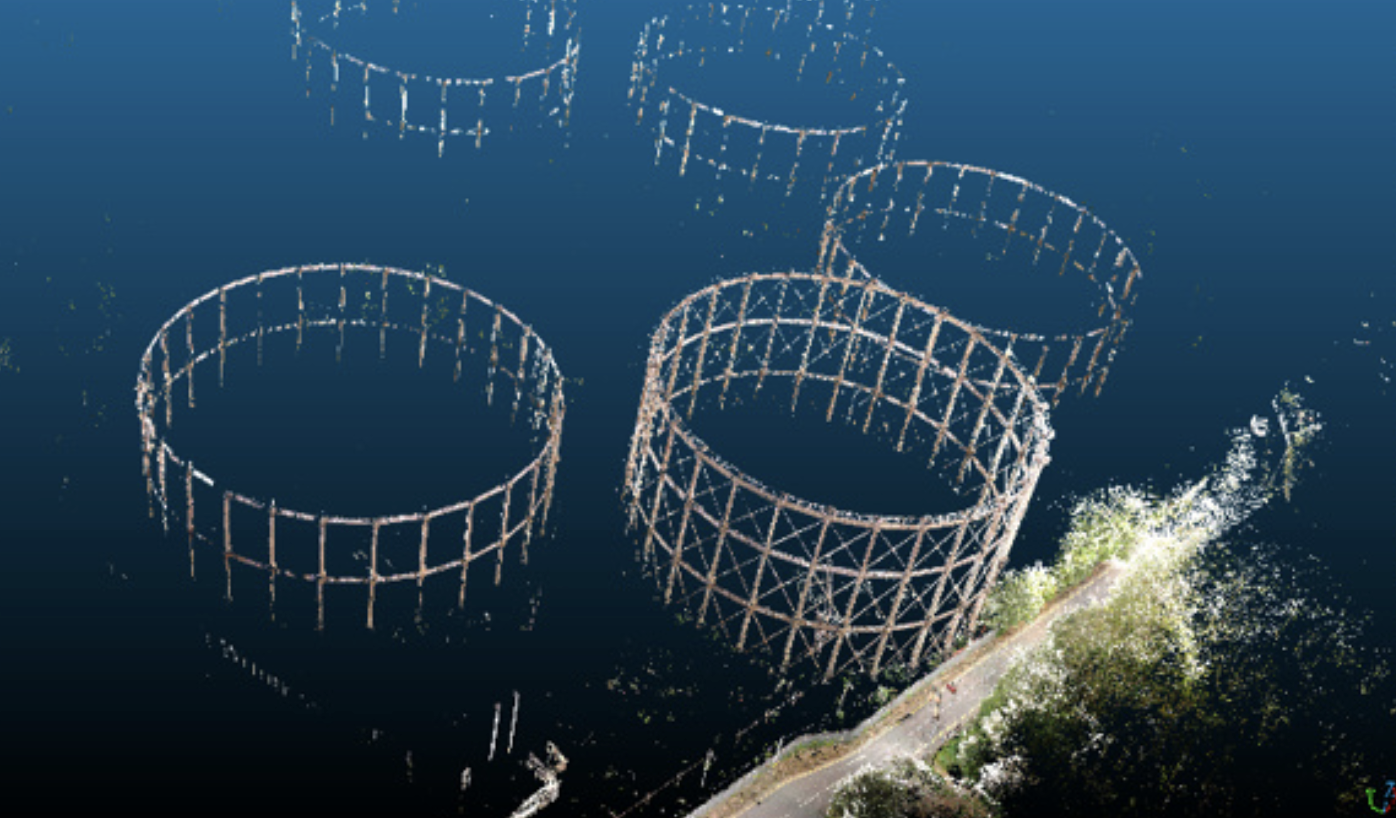
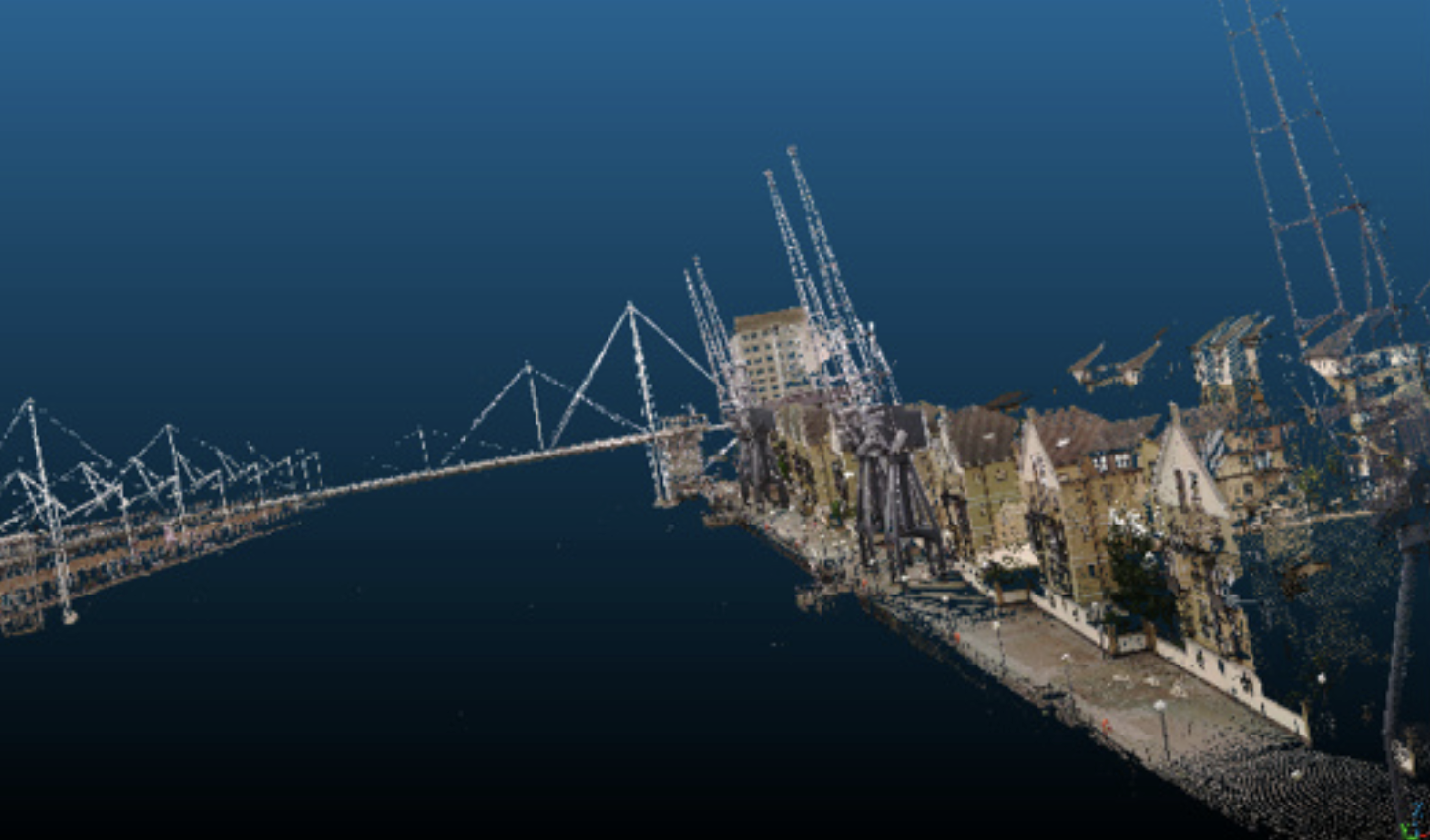
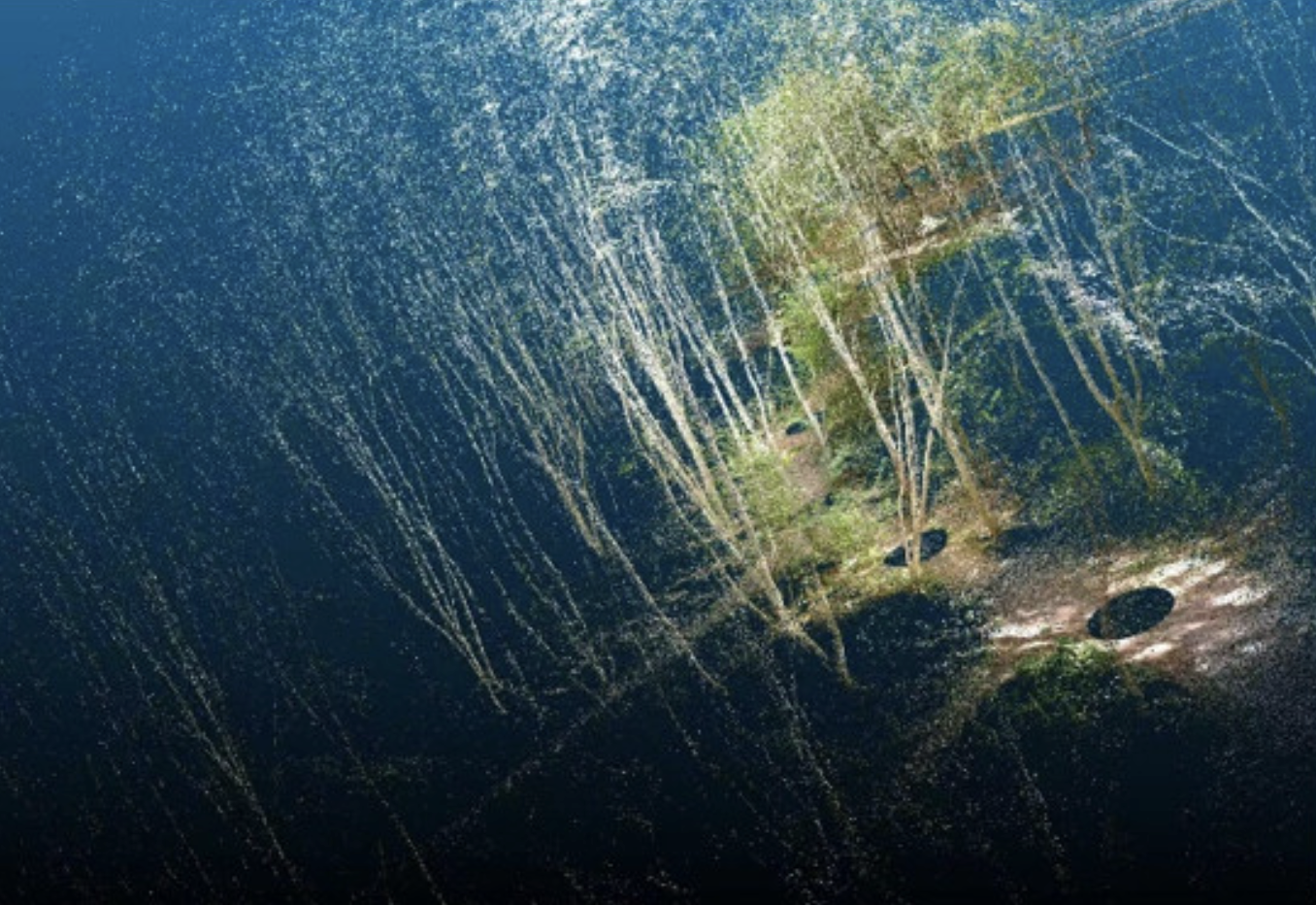
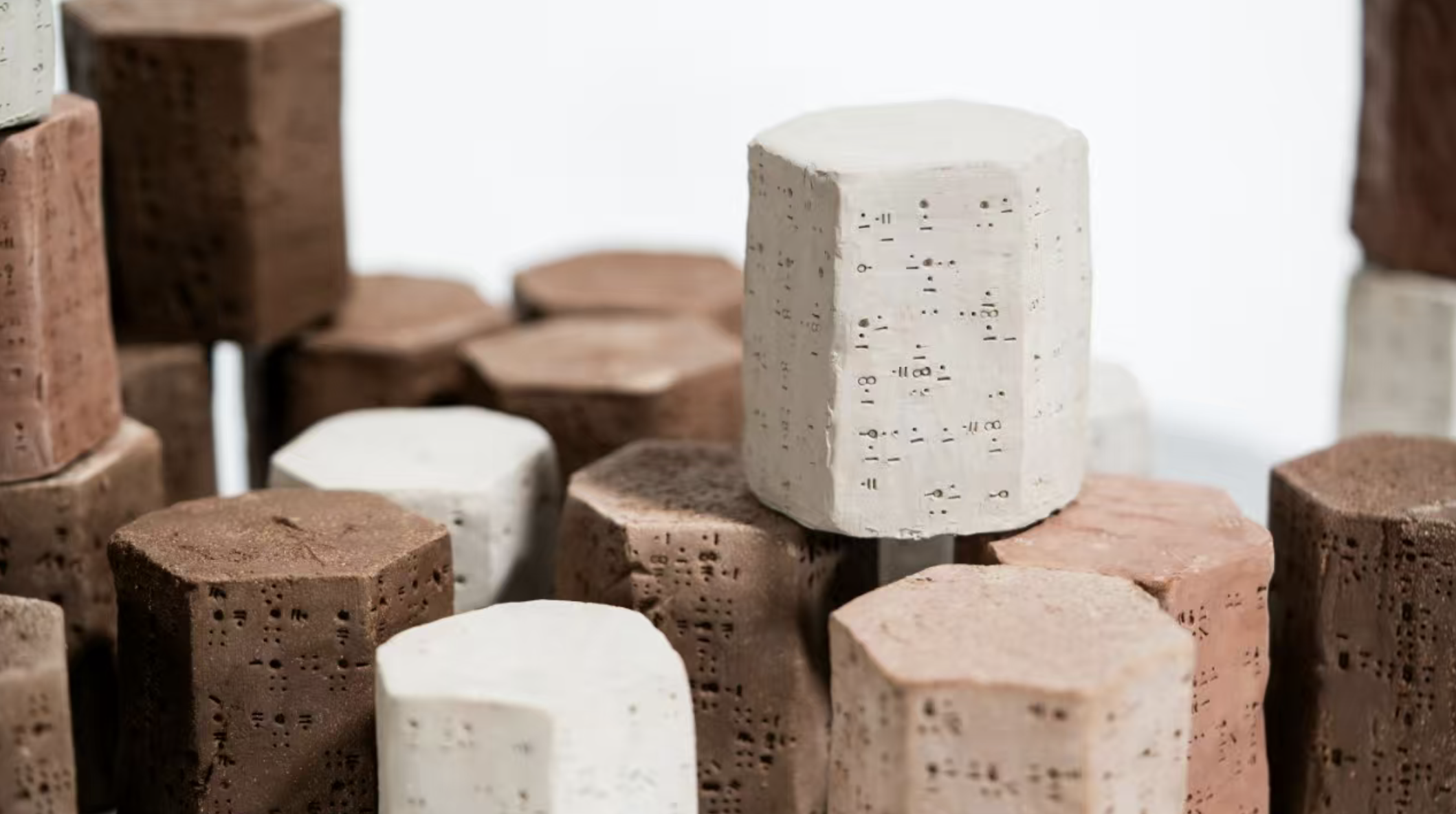
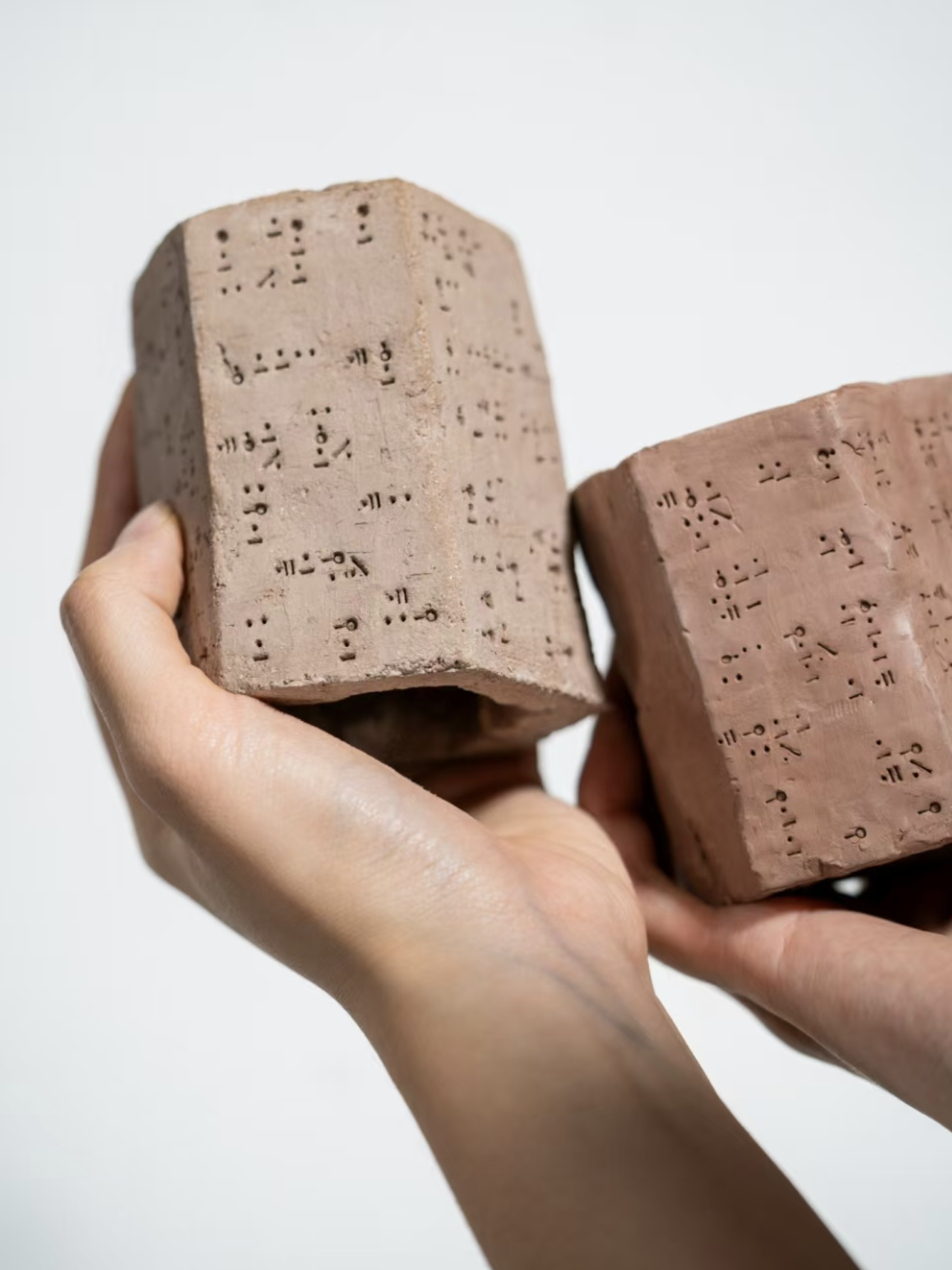
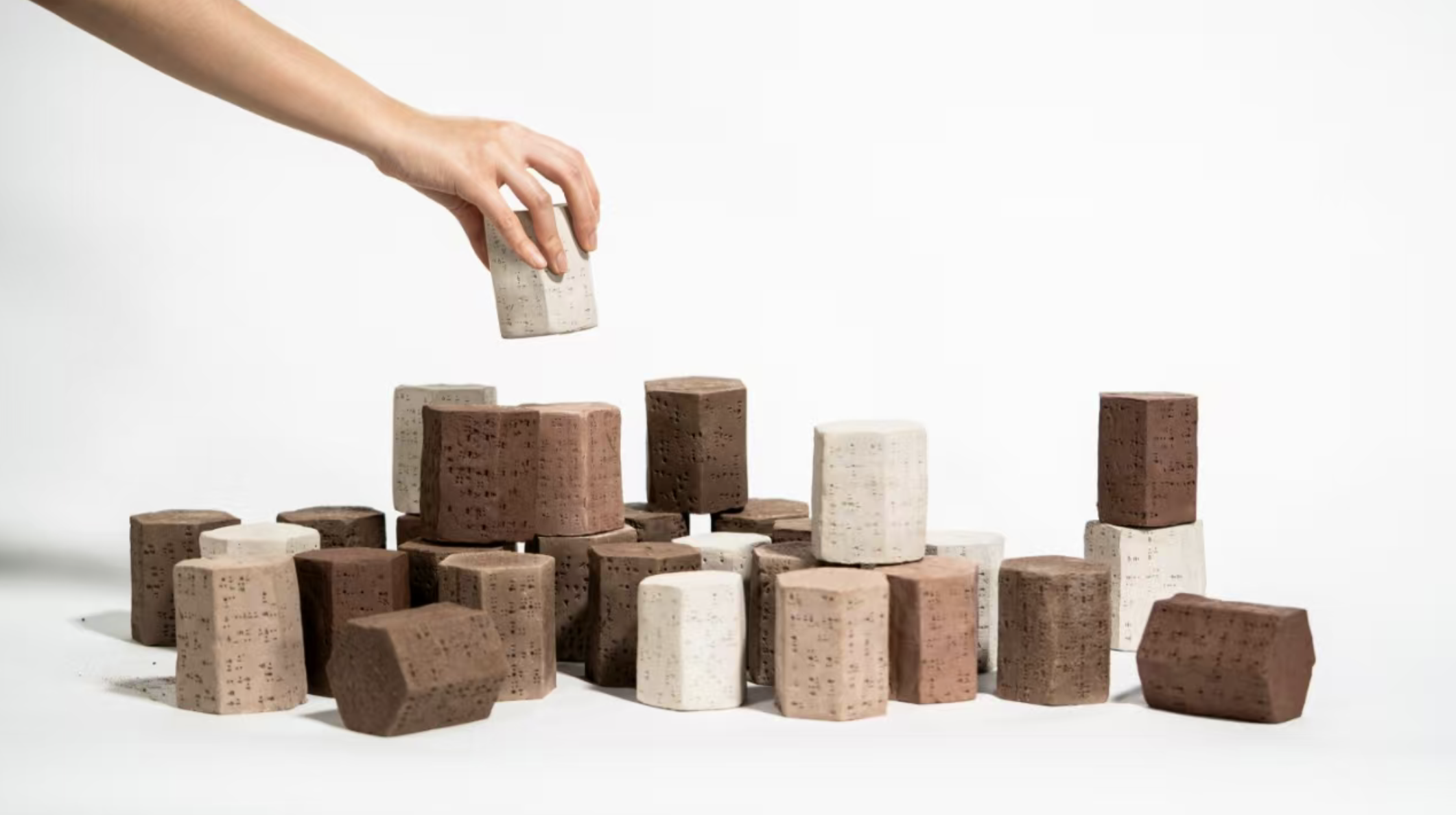
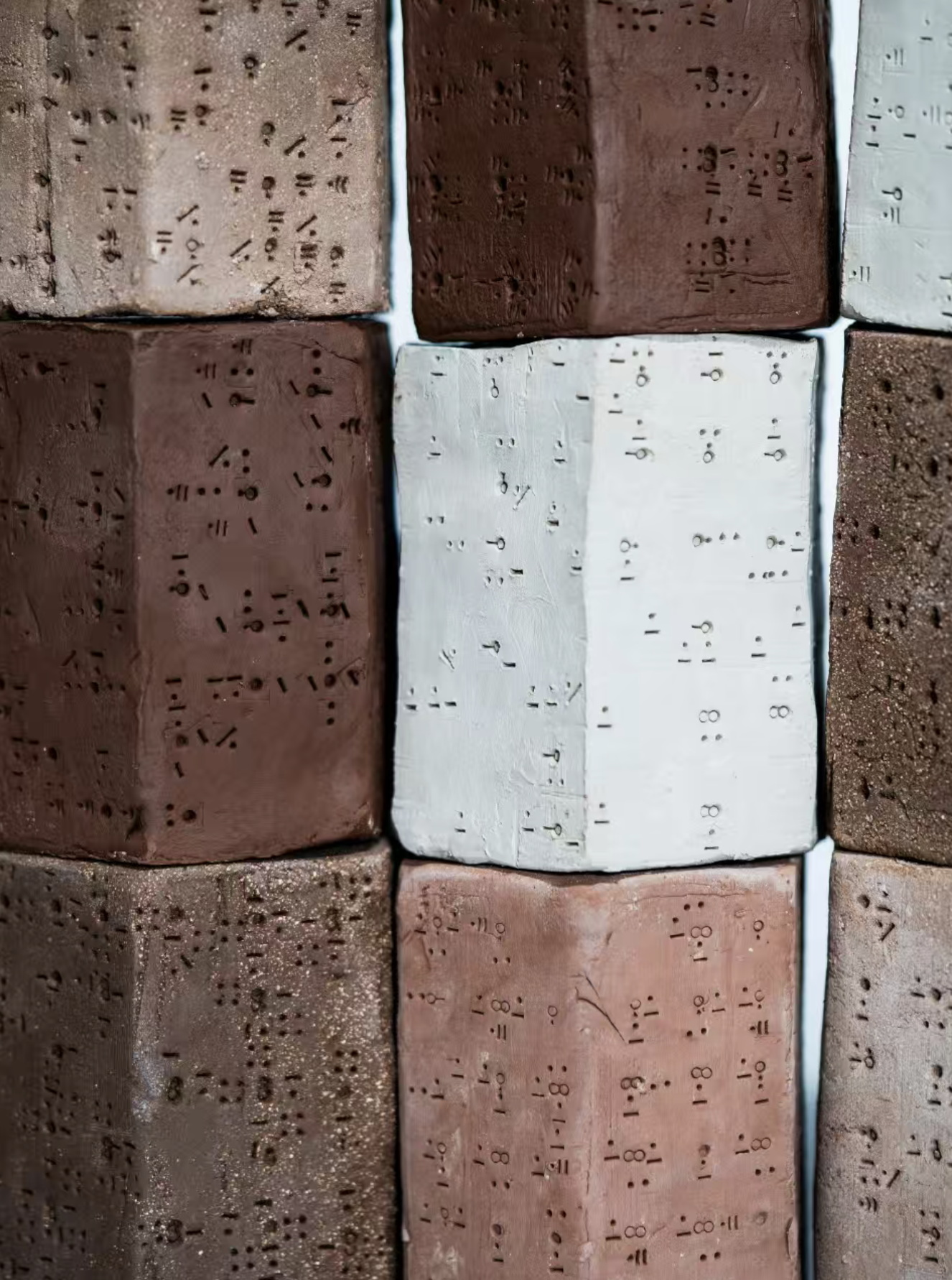
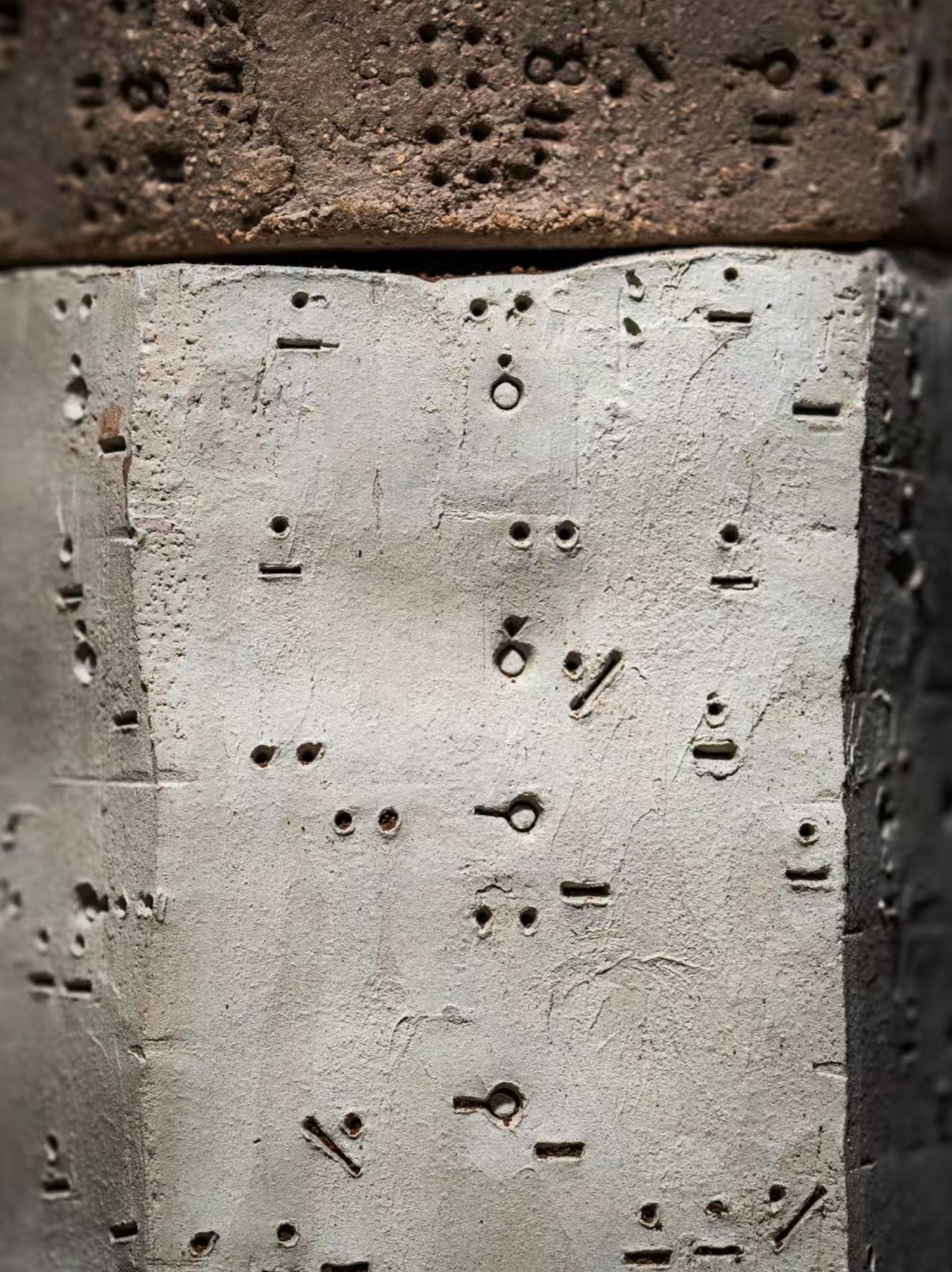
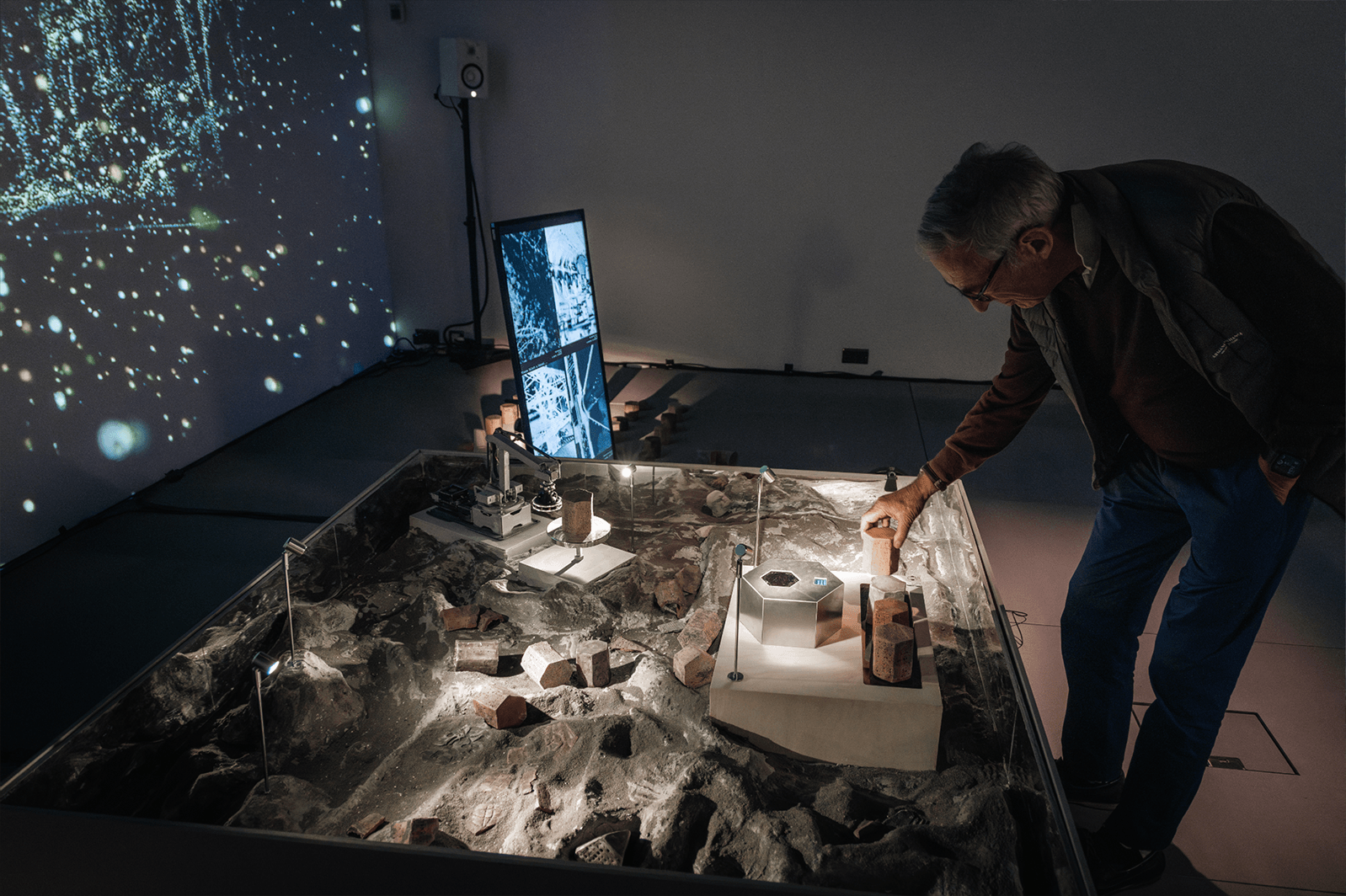
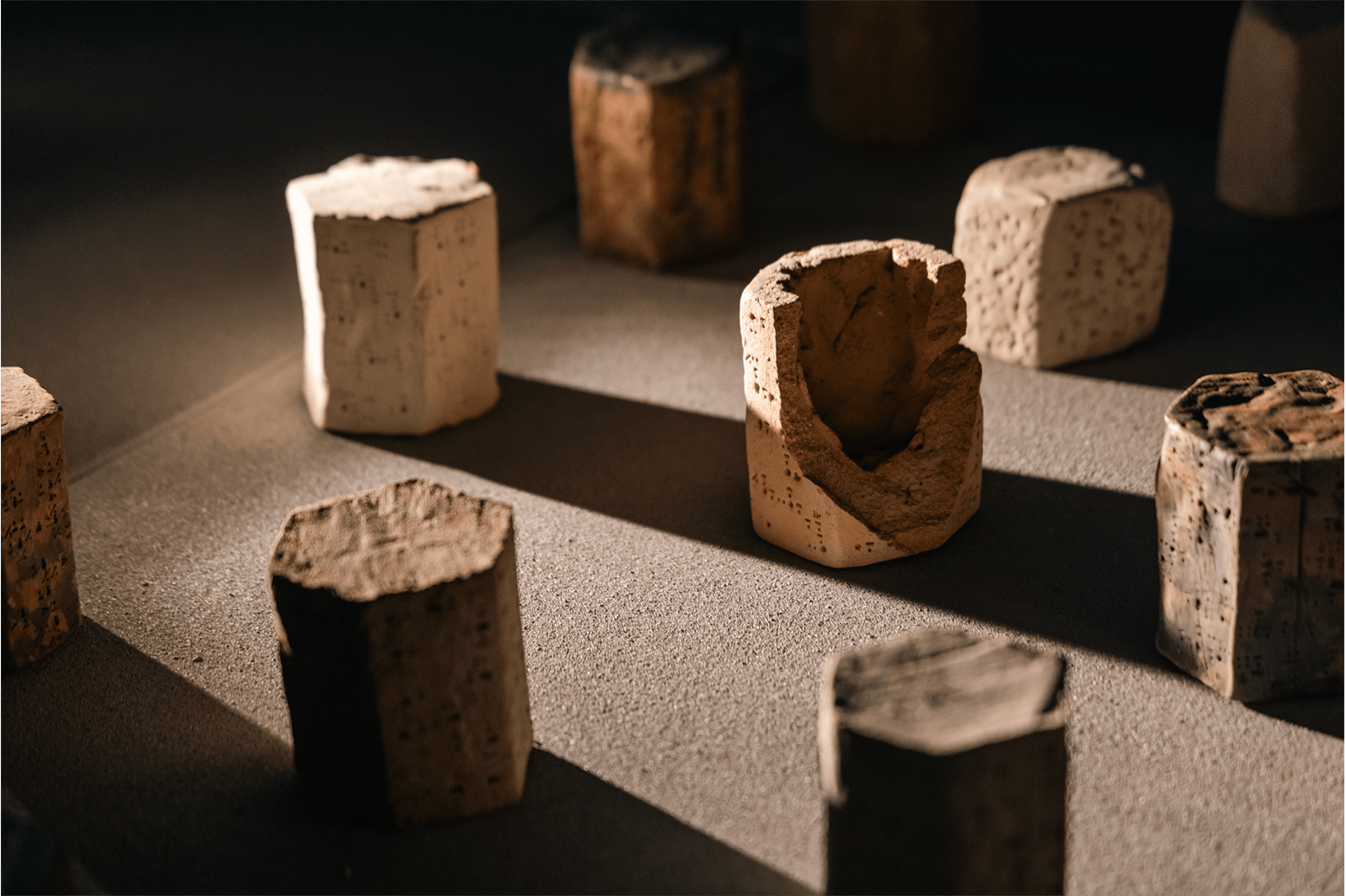
A project from a speculative future, Echoes of the Anthropocene treats current soundscapes as an archive of lost soundscapes. Represented by individual clay artifacts, each ceramic vessel carries a readable and retrievable trace of “Lost London.” Through an interlinked process
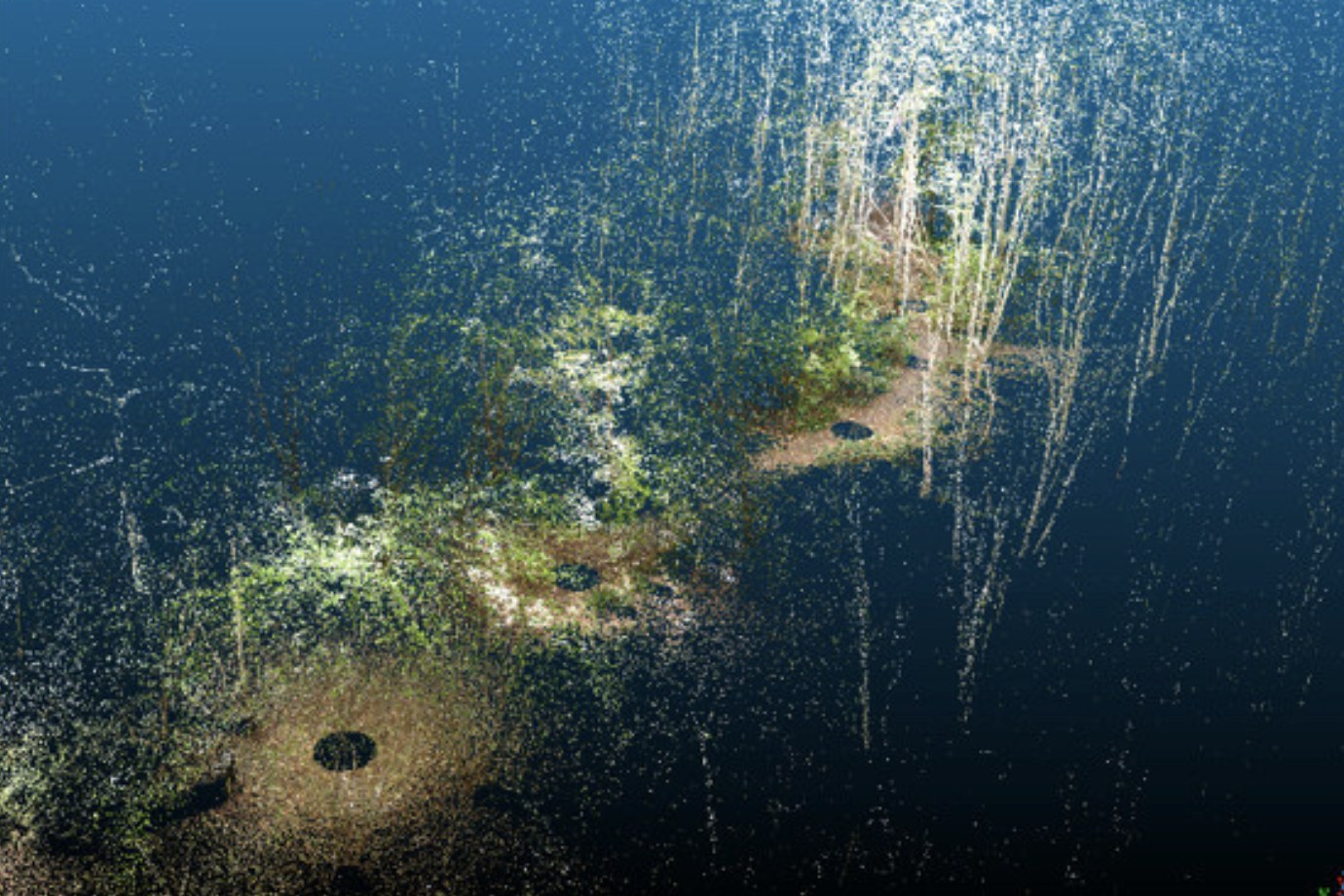
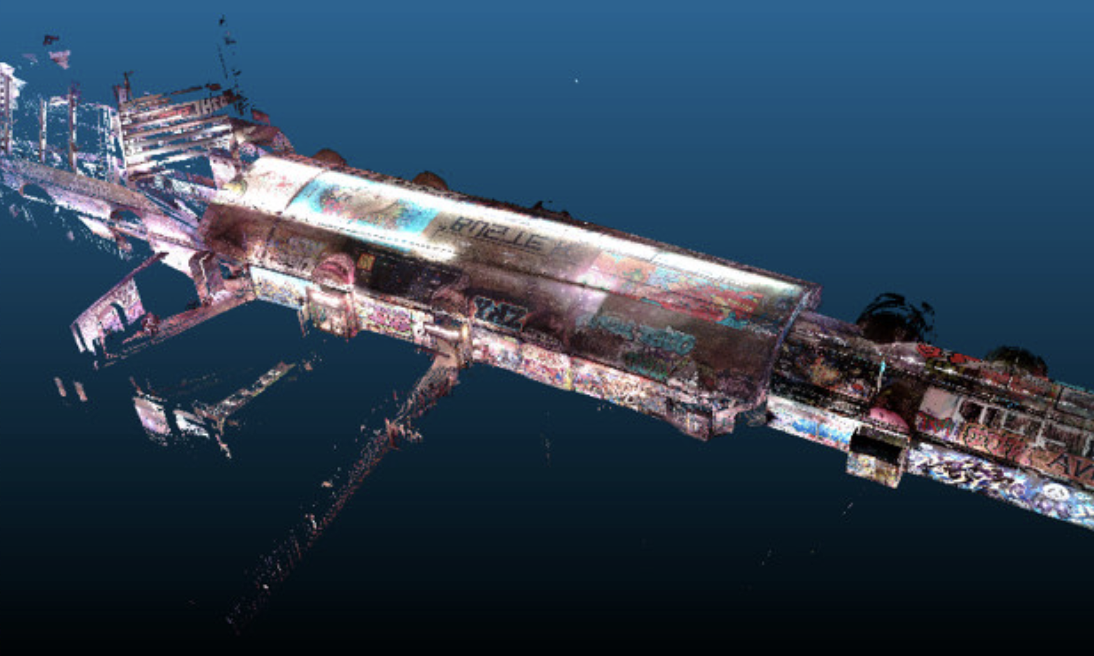
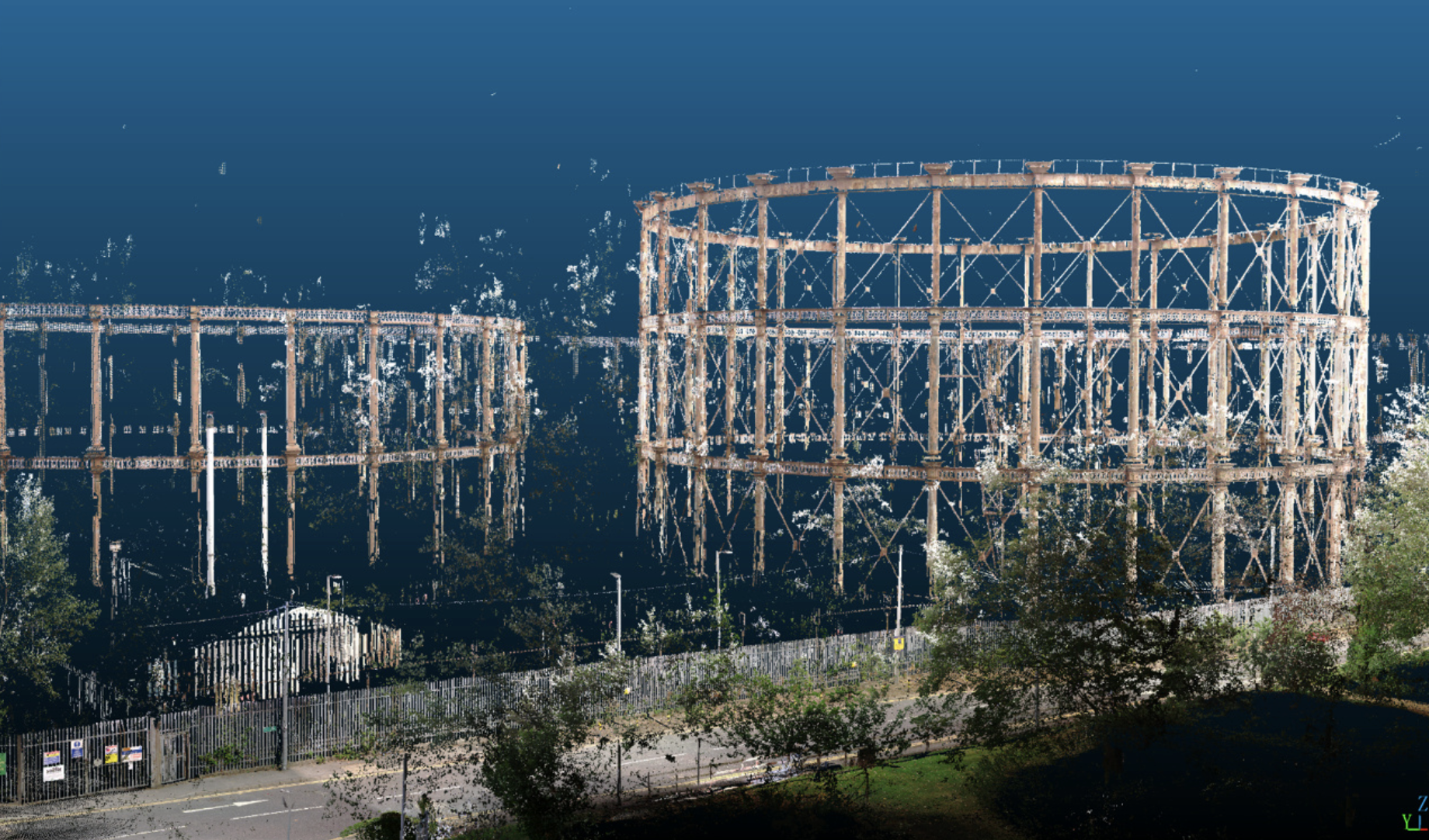
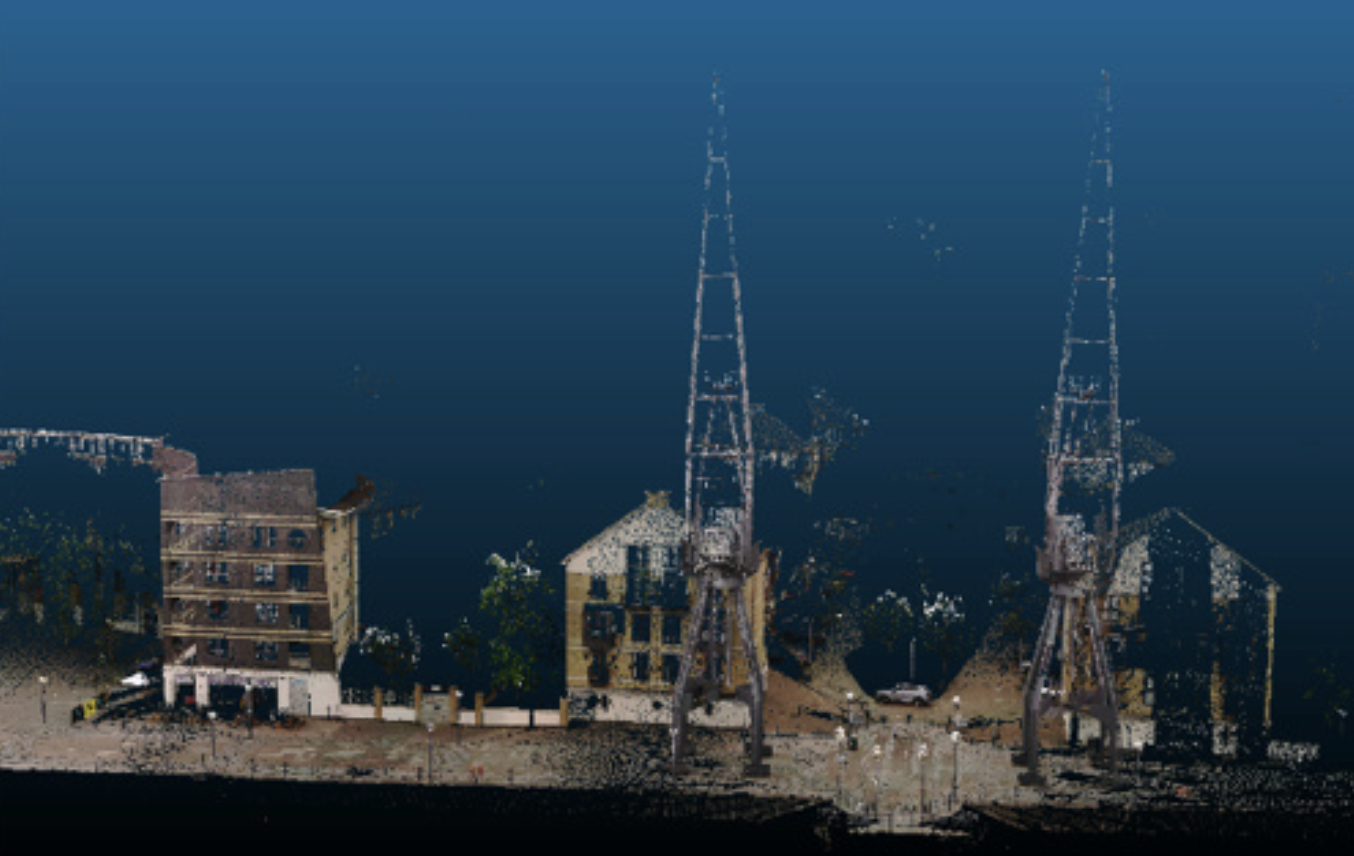
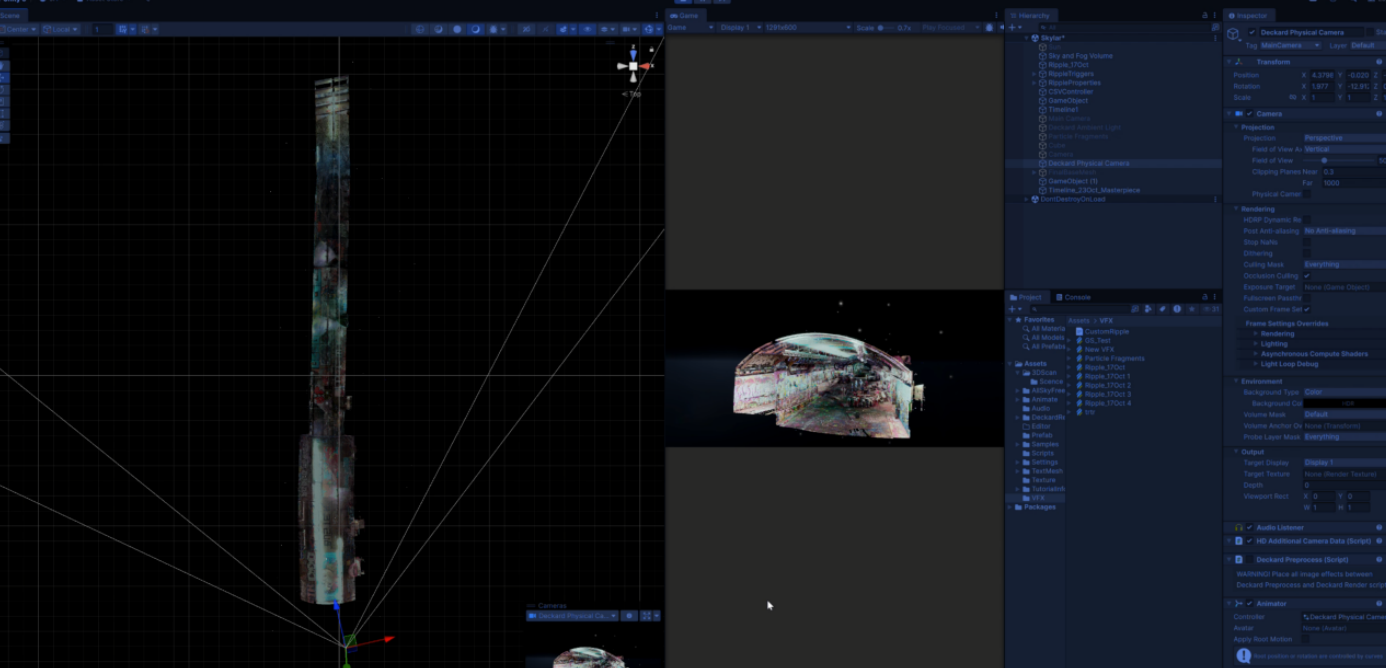
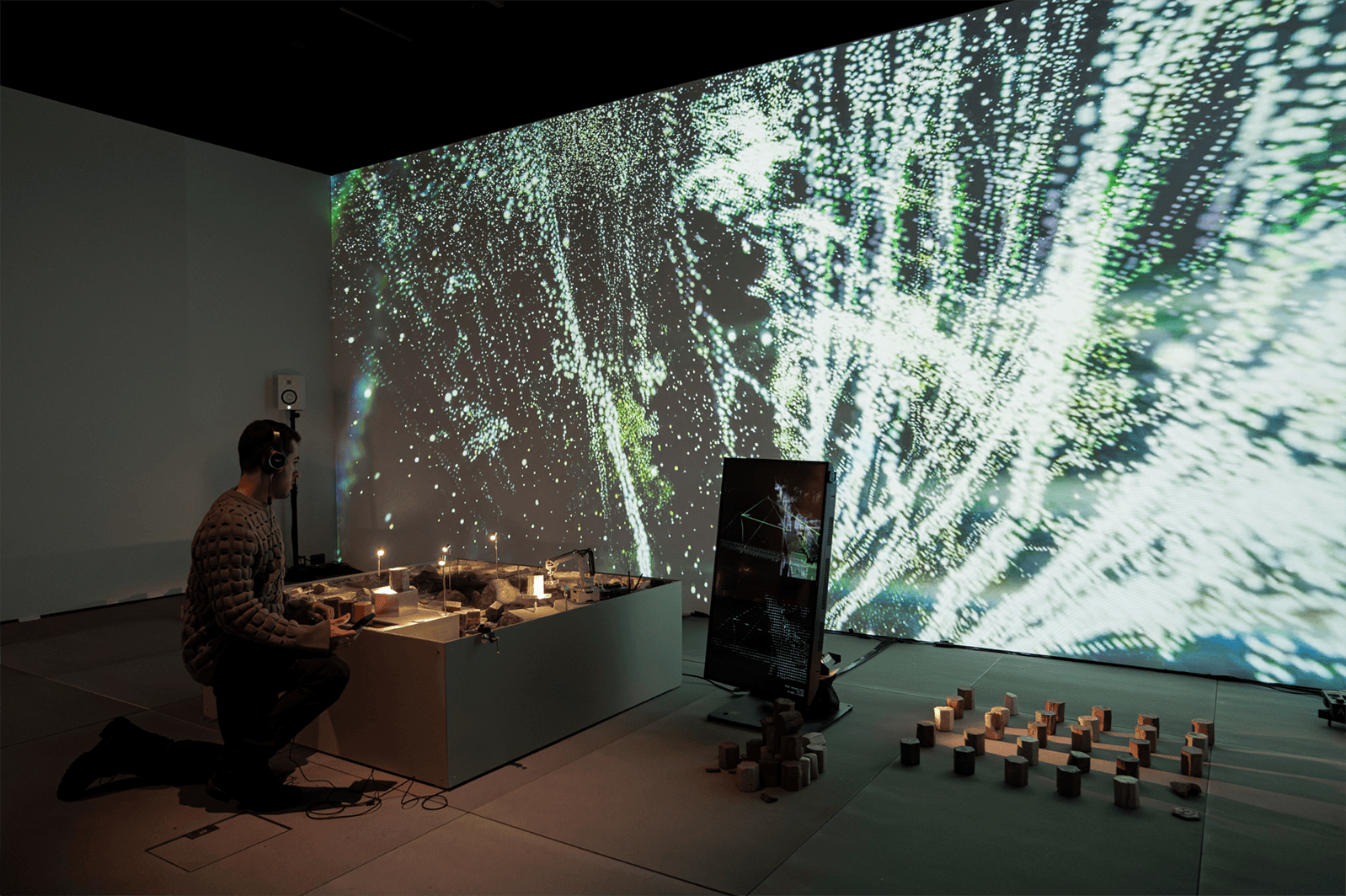
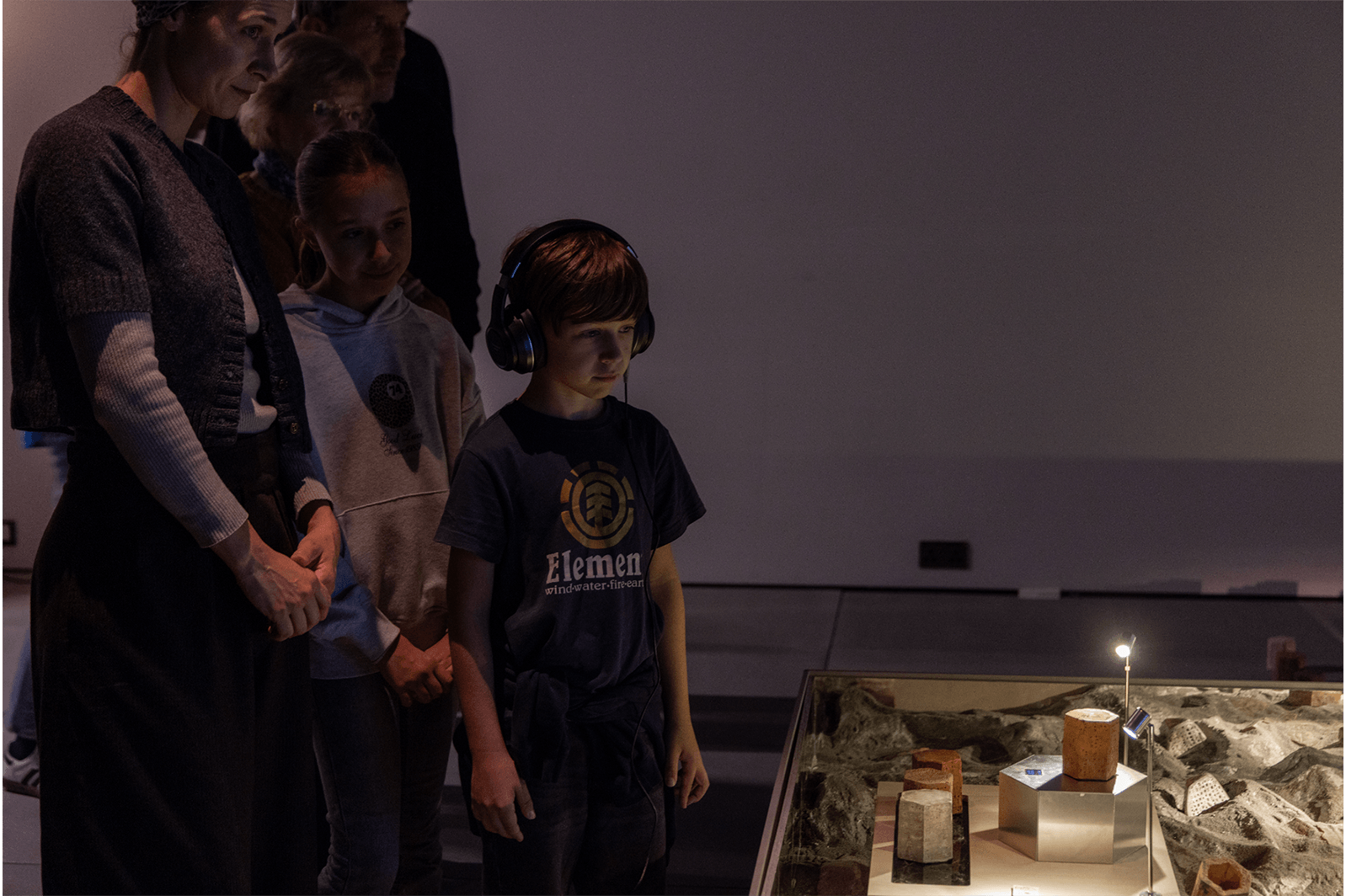
of acoustic archaeology, multichannel diffusion, robotic inscription in clay, and point-cloud visualization, the work materializes our fragile and ephemeral sonic heritage into the human domain. It invites reflective perception, slow navigation and full immersion, through which future listeners may re-inhabit a city that once lived and breathed.
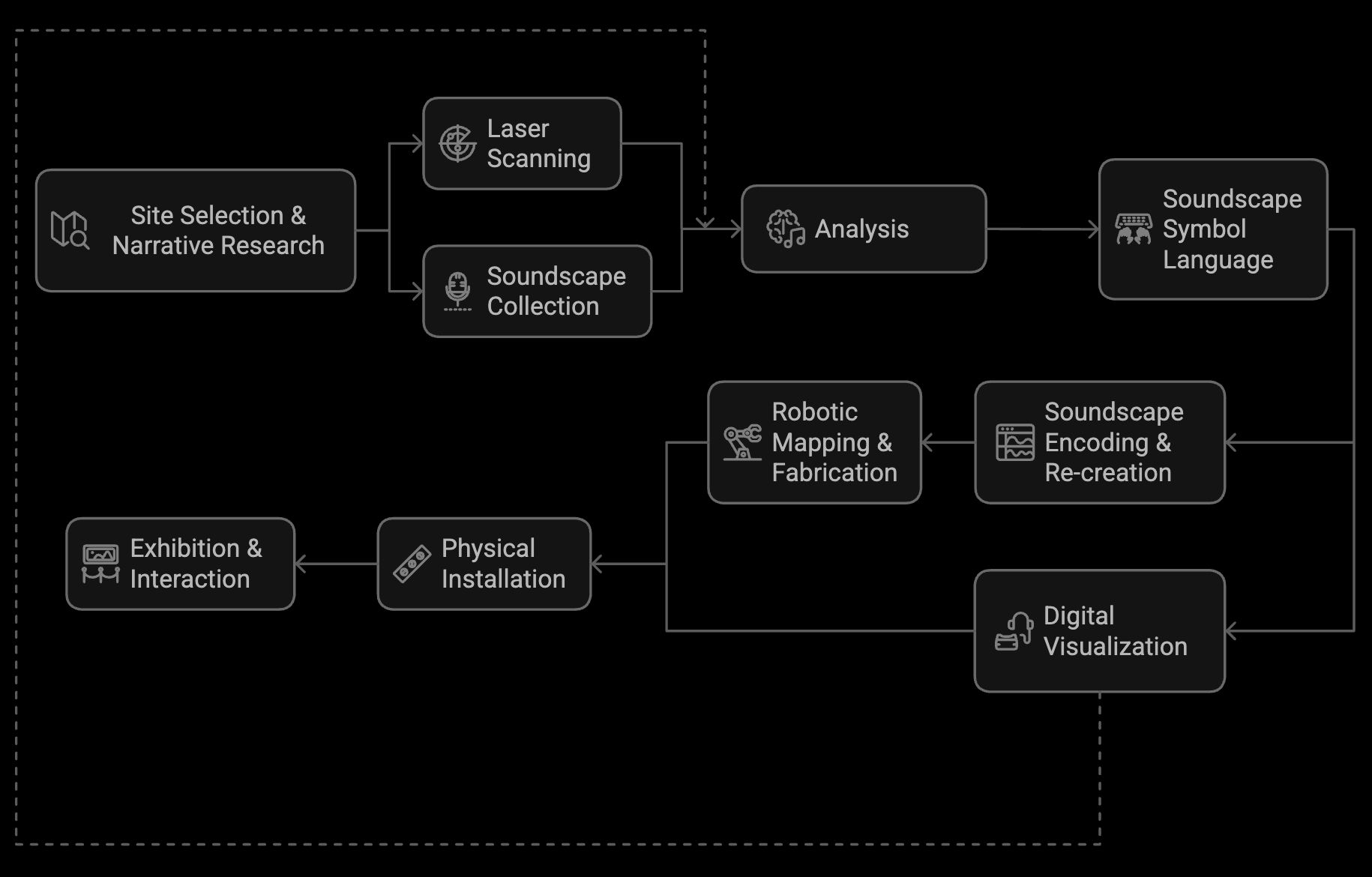
Sound analysis
Each soundscape recording was decomposed into three analytical dimensions:
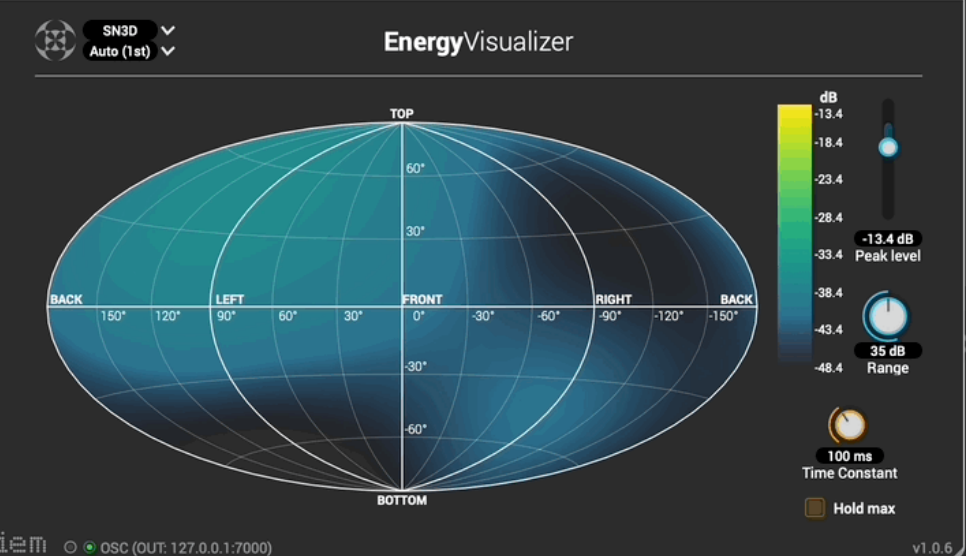
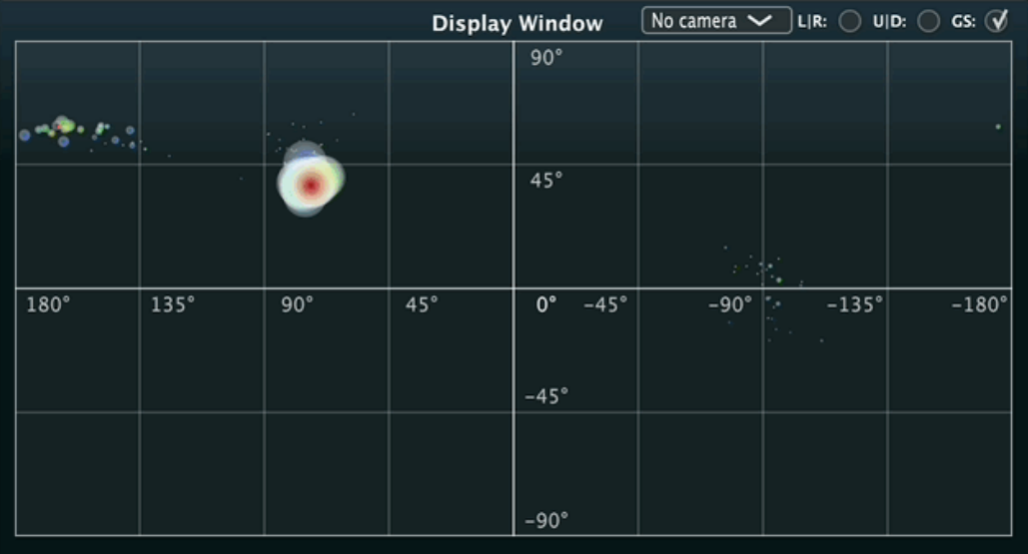
Directional energy & width — analysis of spatial spread and reverberance using Reaper Energy Visualizer; Source count & motion — detection of source positions and movements using Sparta_sldoa;
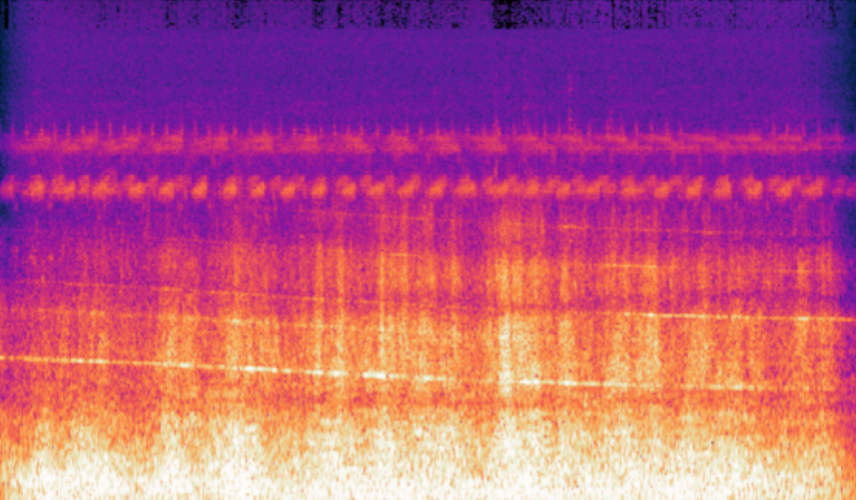
Spectral/timbral cues & transient density — examination of frequency and texture variations using Audacity.
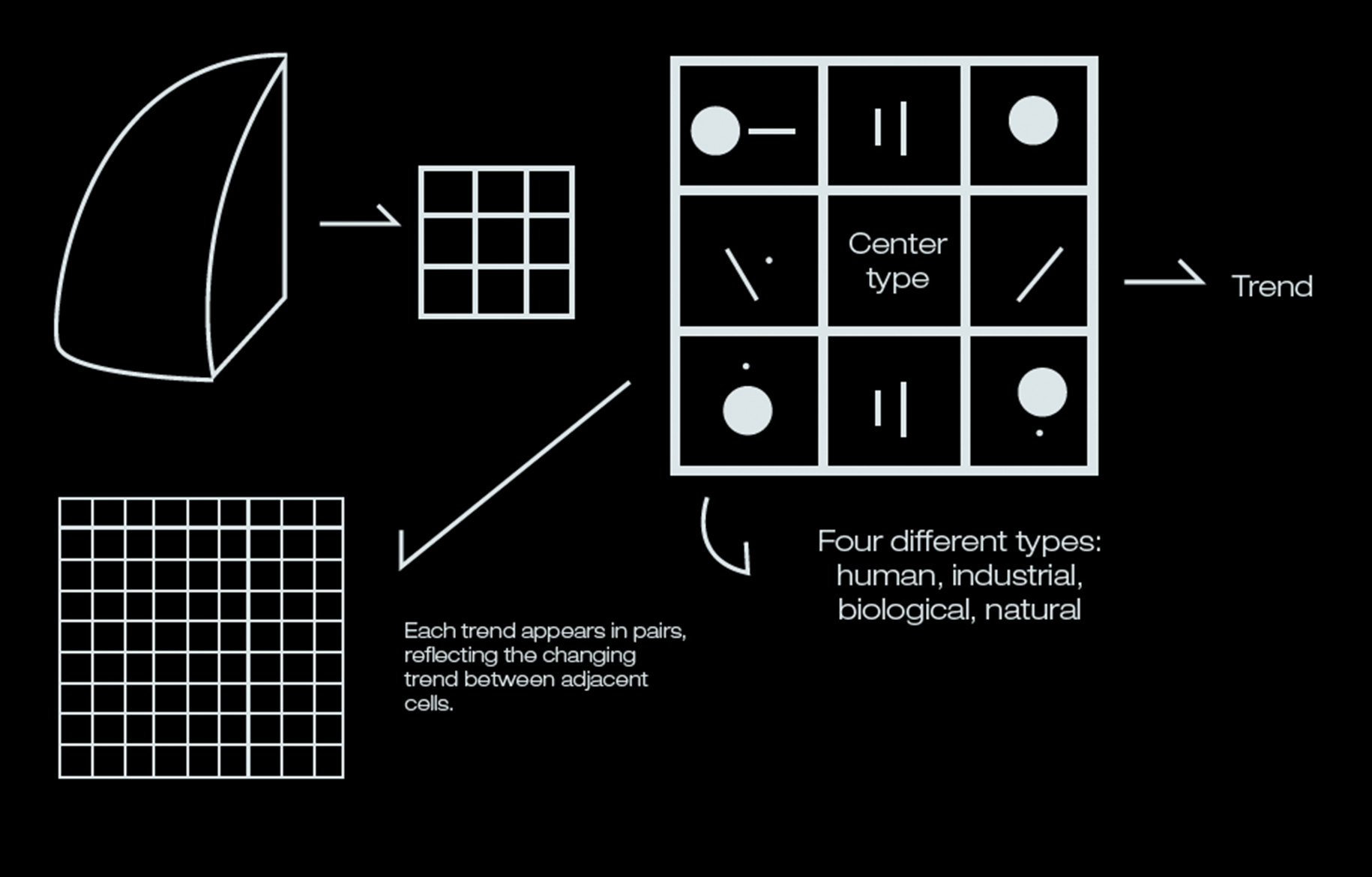
The extracted data describe the spatial, dynamic, and spectral behavior of sound. These parameters were then categorized into broad sound families — geophony, biophony, anthrophony, and base — and transformed into visual glyphs that later guided the ceramic engraving
Directional energy & Width
Spectral/timbral cues & Transient density
Four Soundscape Categories
Unity VFX Implementation
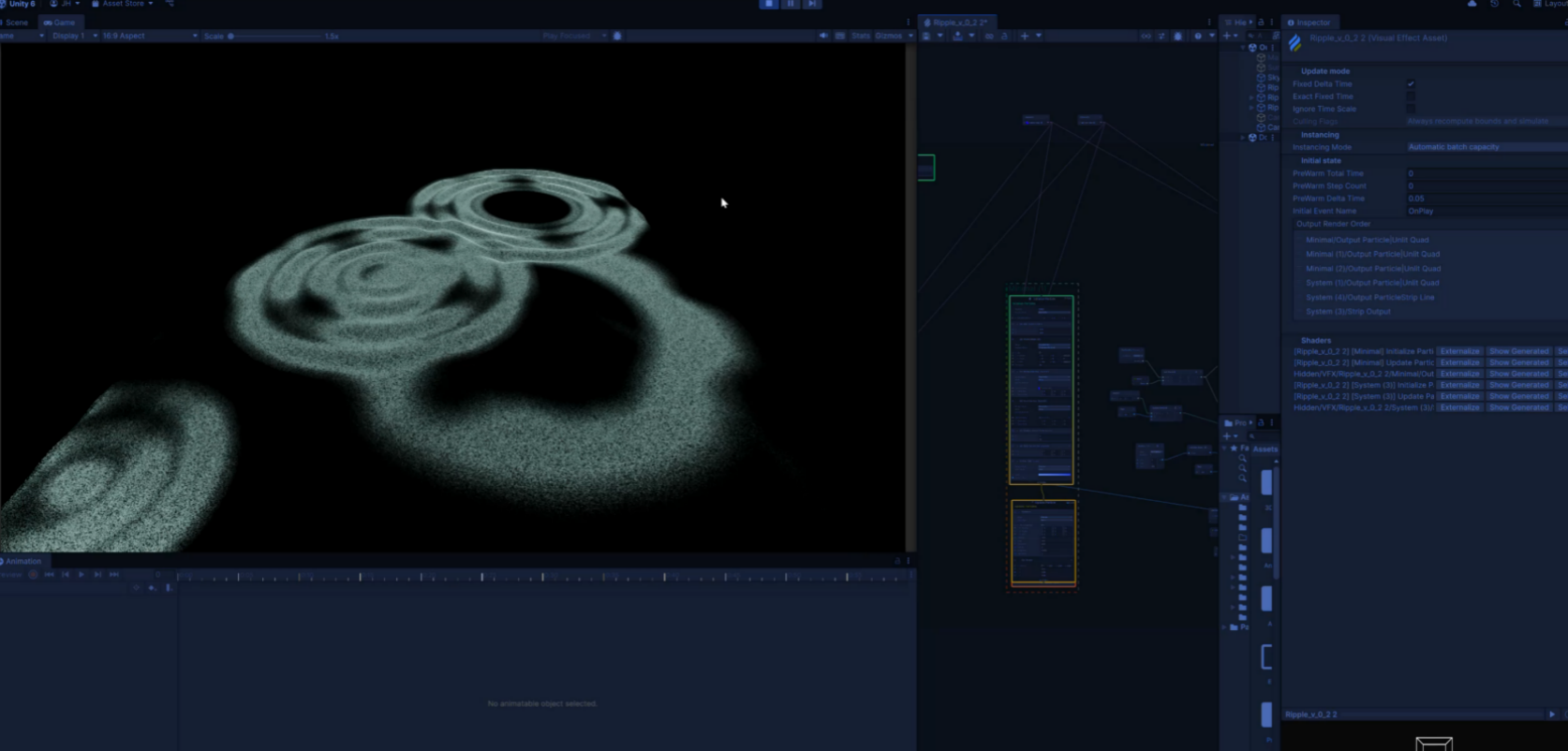
In Unity, we used the VFX Graph to let sound become visible. Each sound event from the CSV dataset was translated into a visual ripple in 3D space through parameter mapping:Position — defines the emission point
Frequency — controls ripple density and detail
Amplitude — adjusts brightness intensity
Energy — affects diffusion speed
Envelope — defines the fade-out curve











.png)